Recent Blog Posts

Dr. Deborah Harding’s Top 10 Reasons You Should Exercise
Dr. Deborah Harding’s Top 10 Reasons You Should Exercise 10 – It helps you lose weight Of course, exercising on a regular basis will keep your weight under control. This will not only make you look better, but you will feel better about yourself and avoid the problems that can be associated with being overweight. 9 – It keeps you busy I know this seems like a silly reason but there are times in your life when you need to get out and do things or you might go insane! Boring weekends, etc. when no one is around and you are sick of TV re-runs. Get out and do some exercise. You‘ll look and feel so much better for it. 8 – It keeps your heart healthy If you have a family history of heart problems then exercise might give you a few extra years. Exercise elevates your heart rate and breathing, all these things help keep your heart healthy. Remember, the heart is a muscle too. 7 – It is a stress relief When you are exercising you tend [...]

The Seven Nutrients Americans are Most Deficient In & How to Get Them
The Seven Nutrients Americans are Most Deficient In & How to Get Them Eating healthy is on a lot of people's minds these days, but the U.S. Department of Agriculture's most recent National Health and Nutrition Examination Survey (NHANES) has found that many Americans' diets are still not up to par. The problem is not a lack of food, but rather a lack of nutritious foods that supply the vitamins and minerals our bodies depend on to function. Fruits and vegetables provide many of the important nutrients that Americans don't get enough of. In fact, about 30 percent of the calories that Americans consume daily are from nutrient-poor junk foods like sweets, desserts, soft drinks, alcoholic beverages and salty snacks, a study published in the Journal of Food Composition and Analysis found. "What is really alarming is the major contribution of 'empty calories' in the American diet," said Gladys Block, professor of epidemiology and public health nutrition at the University of California, Berkeley. "We know people are eating a lot of junk food, but to have almost one-third [...]

How to Practice Effective Hygiene if You Have Sensitive Skin, Allergies or Chemical Sensitivity
How to Practice Effective Hygiene if You Have Sensitive Skin, Allergies or Chemical Sensitivity If you have allergies, chemical sensitivity or sensitive skin, even something as simple as washing your face can be irritating. This is because soaps, shampoos and other personal care products often contain a toxic slew of chemicals. If you have sensitive skin or allergies, only use personal care products with a few simple plant-based ingredients. Even for someone without sensitivities, everyday use of personal care products can lead to "chemical overload," which may cause allergies or disease, according to a study by the Environmental Working Group (EWG). On average, the study found that an adult uses nine different cosmetics each day, with exposes them to about 126 chemicals! "It is not just the fact that these chemicals are being absorbed through the skin that is worrying," says Lindsay McManus, an adviser on chemical sensitivity for Allergy UK on EWG.com. "Many of them are perfumed and the fragrance alone can contain 200 chemicals that need not be listed individually on the label, so people don't [...]

6 Types of Very Common Toxic Bacteria You Need to Avoid, and Where They’re Typically Found
6 Types of Very Common Toxic Bacteria You Need to Avoid, and Where They're Typically Found Thousands of different types of bacteria exist naturally in our environment. Some are necessary and quite healthy, like probiotics that support digestive health. Others, however, like the ones you'll read about below, can cause serious disease. The number of bacteria that can cause illness in humans is only a small fraction of those that exist. So while it's not necessary, or even possible, to avoid all bacteria, you should be aware of these toxic varieties, and how to keep yourself and your family safe. Raw shellfish like oysters can contain Vibrio, bacteria that can cause diarrhea, abdominal cramping and headache. 1. Staphylococcus Aureus Staphylococcus aureus bacteria are present in the nasal passages, throats, hair and skin of 50 percent of healthy people, according to the U.S. Food and Drug Administration (FDA). If concentrated in large quantities in foods, however, it can cause food poisoning that results in nausea, vomiting and abdominal cramping. Foods that are at risk of contamination by Staphylococcus aureus include [...]

10 Ways to Make Your Marriage Last — Even Get Stronger — During a Recession And a Great Recovery!
10 Ways to Make Your Marriage Last -- Even Get Stronger -- During a Recession And a Great Recovery! Money is at the root of many marital arguments, even in a normal economy. But right now especially, as high unemployment rates sustain and savings accounts are dwindling, the heightened financial stress is taking an extra toll on many relationships. Renew your commitments by keeping lines of communication -- about money and any other topic -- open. This is crucial to keeping your marriage strong. In fact, according to a Harris Interactive poll, 38 percent of men and women said that money was the number-one cause of marital conflict … and that was in 2006 -- before the economy really got bad. The bottom line is when finances get tight, an issue many couples are dealing with right now, it puts extra stress on your marriage. But that doesn’t mean your happiness or intimacy has to suffer. With the tips that follow you can be sure your marriage will survive these tough times, and may even come out stronger. [...]


Hypothyroidism and Autoimmune Disease: How to Avoid Foods that are Harmful to Your Thyroid Plus Those that are Beneficial to Eat!
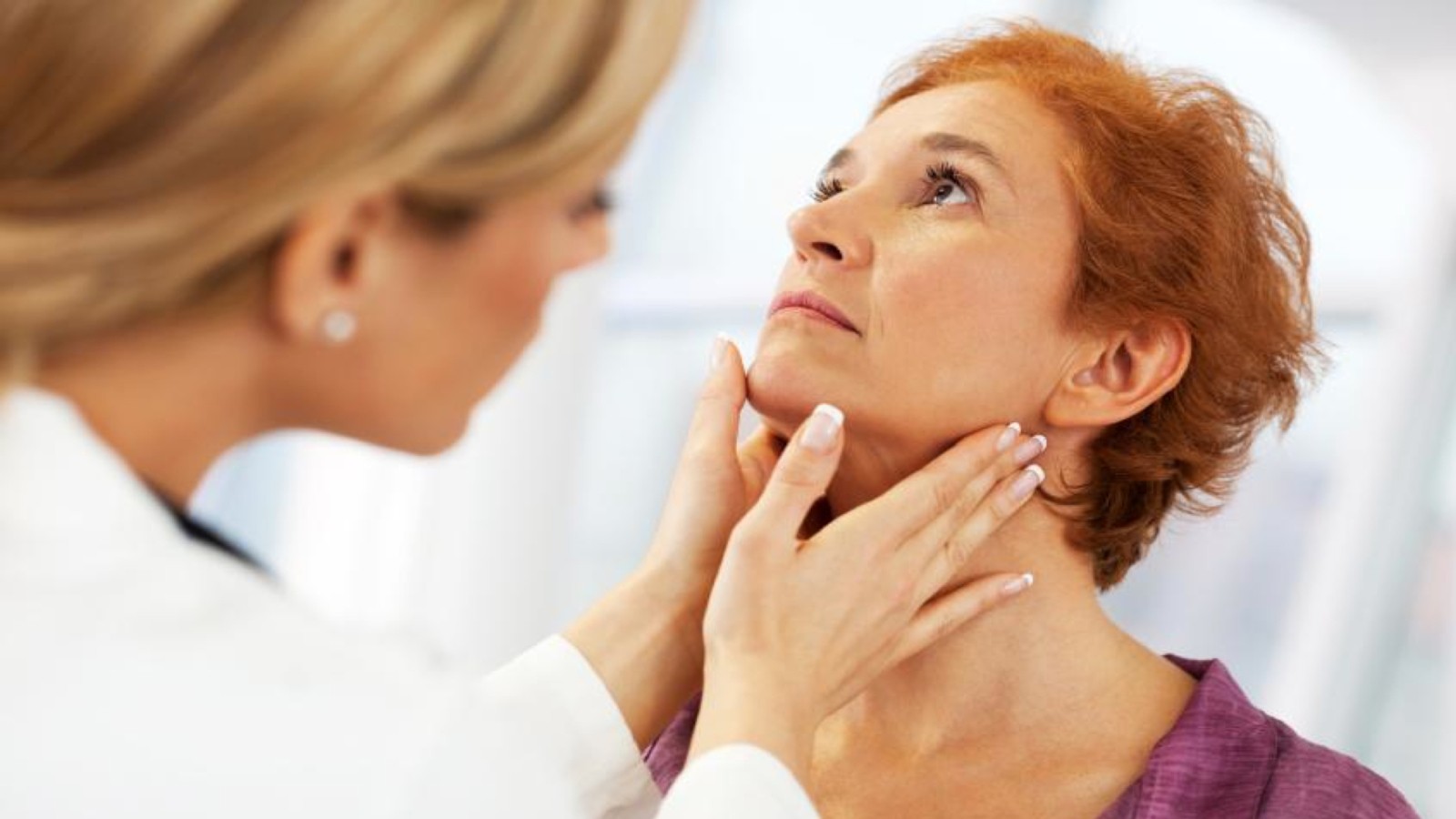
Hypothyroidism and Autoimmune Disease: How to Avoid Foods that are Harmful to Your Thyroid Plus Those that are Beneficial to Eat! Your thyroid is a small, butterfly-shaped gland in the front of your neck. It releases hormones that control metabolism (how your body gets energy from the food you eat), and if this process becomes disrupted it can lead to weight gain or loss, heart disease, osteoporosis, infertility and, in rare cases, even coma and death. Women over 50 are most likely to have hypothyroidism. More specifically, your thyroid produces two main hormones thyroxine (T-4) and triiodothyronine (T-3), which are responsible for: Maintaining the rate at which your body uses fats and carbohydrates Helping control your body temperature Influencing your heart rate Helping to regulate the production of protein Your thyroid also produces a hormone that regulates the amount of calcium in your blood and helps prevent bone loss. Most thyroid disorders are divided into either hypothyroidism (low thyroid) or hyperthyroidism (high thyroid) disorders. Hypothyroidism causes your body to use energy more slowly, whereas hyperthyroidism causes your thyroid [...]